Personalized Kids Name SVG Bundle for Laser Cutting & Home Decor
First Impression: Whimsy with Intention—Not Just Cuteness
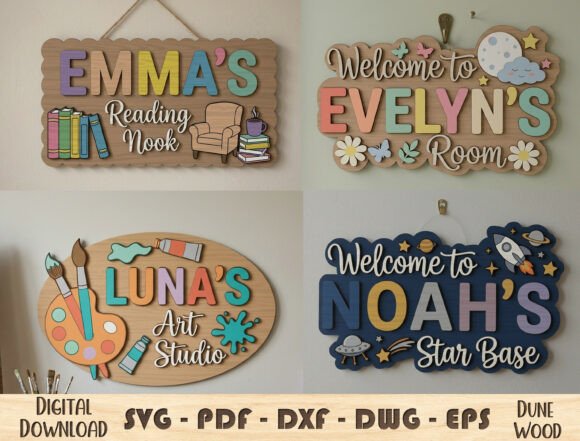
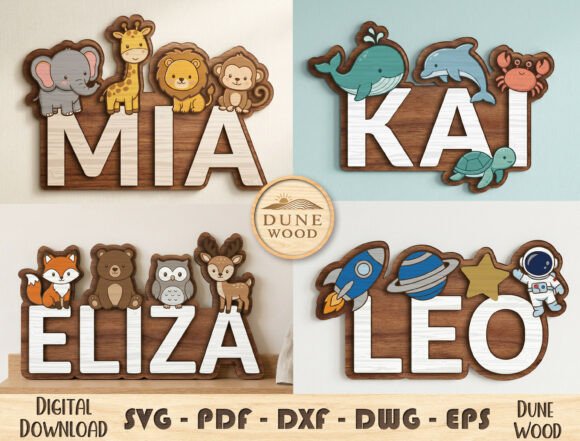
Opening the Personalized Kids Name SVG Bundle, I felt immediate alignment—not with generic “kid stuff,” but with a carefully calibrated emotional tone: warm, nostalgic, and quietly premium. It doesn’t scream “cartoon” or default to overused pastel tropes. Instead, it leans into layered depth, subtle texture, and intentional negative space—qualities that signal craftsmanship rather than clipart. For brand owners launching a new line of nursery décor or seasonal home goods, this bundle lands as a graphic design asset that elevates perception before a single word is read. It evokes trust through restraint: soft curves, balanced weight distribution, and scalable clarity that reads as handmade *and* professionally designed.
A Real Campaign in Motion: Refreshing a Seasonal Social Content Kit
Last month, I supported a small business launching its “Summer Nesting Collection”—a curated set of laser-cut wall signs, custom growth charts, and matching bedding tags. We needed cohesive, on-brand visuals across Instagram carousels, Pinterest pins, email banners, and printable product inserts. The Personalized Kids Name SVG Bundle became our visual anchor: not as logos (it’s not logo design), but as a unifying creative design motif. We used layered name cutouts as hero elements in Canva templates, scaled them for packaging accents on kraft boxes, and adapted single-letter versions for Instagram Story highlights. Because each SVG is cleanly vector-based, resizing preserved crispness—even at 3x resolution for digital ads. That scalability is non-negotiable for small business branding where one asset must serve ten formats without rework.
Where It Strengthens Brand Identity—And Where It Doesn’t Belong
This design bundle excels where warmth, personalization, and tactile authenticity matter most: home decor product labels, blog headers for parenting or interior design sites, editorial layouts in lifestyle newsletters, and lead magnets like “Free Nursery Name Printables.” It reinforces audience trust by signaling attention to detail—a critical differentiator in saturated creative marketplaces. In packaging design, it adds heirloom-level charm to gift boxes. In social media graphics, it creates instant visual hierarchy without competing with copy. But—and this matters—it’s not built for formal corporate branding, dense infographics, or minimalist luxury brands. Avoid using it in text-heavy Facebook ads, tiny mobile banners under 200px wide, or against low-contrast backgrounds where layered shadows disappear. It’s also unsuited for brands relying exclusively on ultra-thin sans serifs or rigid geometric type; it pairs best with gentle serifs, friendly sans serifs (think Montserrat Light), or soft script fonts—not stark display fonts.
Practical Brand Designer Notes You’ll Actually Use
- Test it with your brand color palette: Try the SVGs in your primary, secondary, and neutral tones—not just black/white. Some layered effects rely on contrast between fill and shadow layers.
- Check black-and-white usage: Many DIY creators print in grayscale or use monochrome laser cutters. Confirm legibility and layer distinction when color is removed.
- Place it inside real campaign mockups: Drop the SVG into actual Instagram post templates, packaging dielines, and email header dimensions—not just blank artboards.
- Preview on mobile screens: Zoom out to 50% in Figma or Preview. Does the delicate layering hold up? Or does it blur into visual noise?
- Compare spacing and balance: Layered names can feel heavy if kerning isn’t adjusted per name length. Test “Ava” vs. “Theodore” side-by-side.
- Confirm commercial licensing: This is a commercial design asset—but verify the license explicitly permits use in client work, paid ads, and digital product bundles before deploying in high-stakes campaigns.
Marketing Goals It Directly Supports
The Personalized Kids Name SVG Bundle isn’t decorative fluff—it’s functional branding infrastructure. It delivers a stronger first impression by replacing generic stock illustrations with ownable, emotionally resonant motifs. It builds clearer visual hierarchy in crowded feeds: a centered name cutout draws the eye faster than a block of text. It enables more consistent branding across touchpoints—same layer logic, same stroke weight, same warmth—so your Pinterest pin feels like an extension of your website header. For product presentation, it transforms flat product photos into dimensional storytelling. And because it’s rooted in laser cutting precision, it subtly signals quality craftsmanship—boosting audience trust in handmade businesses and boutique retailers alike.
Best Fit: Hero Graphics, Branded Templates, and Decorative Brand Elements
Use this SVG design where atmosphere matters more than information density: hero sections for nursery product launches, branded Canva templates for content creators, social media cover images with soft gradient overlays, packaging accents that whisper “handmade with care,” and editorial design elements that soften technical topics (e.g., a child’s name SVG floating beside a blog post about sustainable materials). It shines brightest in content marketing that balances utility and emotion—like a downloadable “Nursery Name Guide” lead magnet or a seasonal email series titled “Design Your Dream Space.” As a digital product, it’s versatile; as a printable design, it’s endlessly adaptable.
Final Take: A Strategic Asset, Not Just a Pretty File
In a world flooded with generic clipart and rushed creative marketplace downloads, the Personalized Kids Name SVG Bundle stands out for its intentionality. It’s not just another illustration—it’s a tool for building professional branding around warmth, memory, and personal significance. When aligned with thoughtful typography, smart color application, and clear campaign goals, it becomes part of your brand’s visual vocabulary—not decoration, but communication. For marketers, designers, and creative entrepreneurs building authentic connections in the home decor space, this is less of a “nice-to-have” and more of a quietly powerful design asset—one that earns attention, invites pause, and makes your audience feel seen.