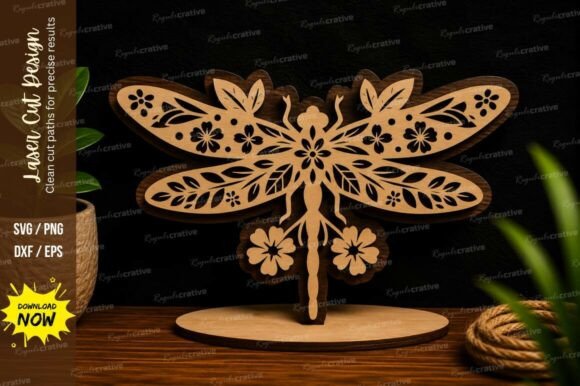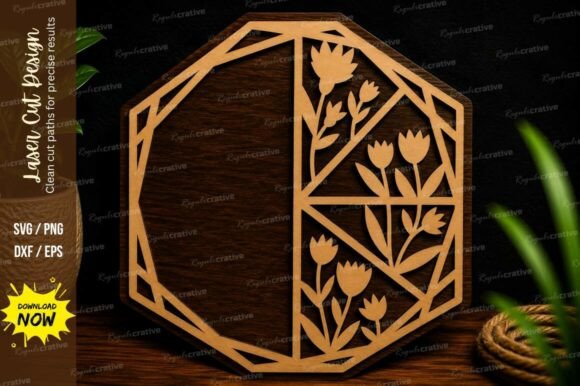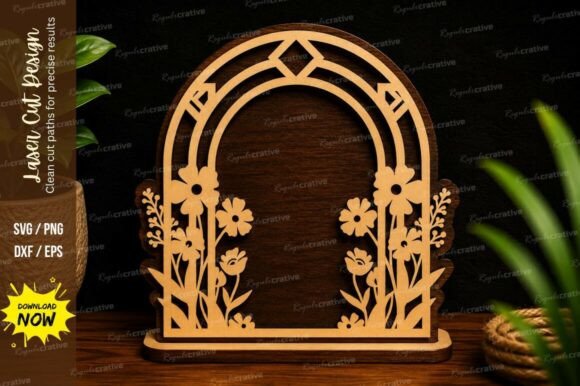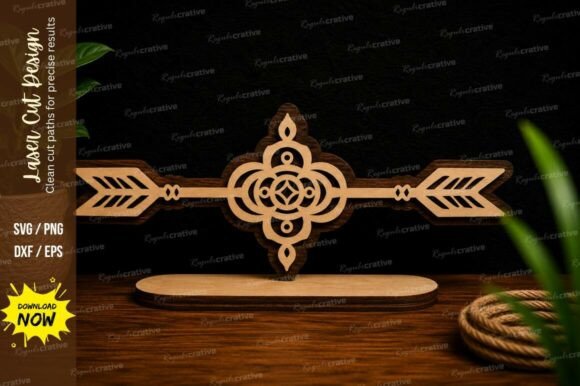
Forest Rabbit Nature Scene: Laser Cutting Wall Decor
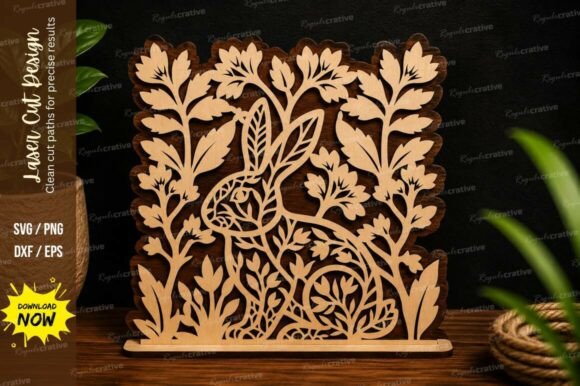
As a graphic designer who’s built brand identities for over a dozen handmade businesses—from botanical apothecaries to woodland-themed children’s publishers—I opened Forest Rabbit Nature Scene Decorative La expecting charm. What I found was something more valuable: quiet intentionality. This isn’t just clipart—it’s a cohesive, mood-driven graphic design asset that breathes softness, stillness, and subtle storytelling. The rabbit sits nestled among ferns and birch-like trunks, with delicate linework and organic negative space that feels hand-drawn yet engineered for precision. It lands squarely in the “modern nature” aesthetic—neither overly rustic nor digitally sterile—but warm, grounded, and gently whimsical.
A Client Project That Made It Click
Last month, I was developing visual assets for an Etsy-based small business launching a spring collection of linen tea towels and ceramic mugs. Their brand voice is “slow living, mindful making”—so every design element had to support calm, authenticity, and tactile warmth. When I dropped Forest Rabbit Nature Scene Decorative La into a product mockup, the shift was immediate: it elevated the entire mood without shouting. Unlike generic forest motifs, this illustration carries emotional weight—the rabbit’s posture suggests curiosity, not cuteness; the composition invites pause, not distraction. That nuance matters when you’re building brand identity—not just decorating a surface.
Where It Shines in Real Design Work
- Printable wall art & packaging details: Its balanced negative space and clean outlines make it ideal for laser-cut wooden signs, engraved coasters, or foil-stamped gift tags—especially when paired with soft serif fonts like Playfair Display or hand-lettered script.
- Social media graphics & Pinterest pins: As a PNG with transparent background, it layers beautifully over textured paper scans or muted gradients—perfect for Instagram carousels promoting seasonal collections or blog headers for editorial design.
- Cricut projects & sublimation design: The SVG and DXF files scale flawlessly from 2-inch iron-on transfers to 24-inch fabric banners. I tested it on a cotton tote mockup—no jagged edges, no lost detail at any size.
- Brand extensions: Used as a supporting motif (not a logo), it strengthens visual consistency across stickers, thank-you cards, and digital ads—reinforcing the “nature-connected” message without repeating the primary logo.
- Canva templates & digital product bundles: Its multi-format inclusion (SVG, EPS, PNG, PDF, DXF) means it slots cleanly into editable Canva templates or print-on-demand platforms—no re-tracing needed.
Where to Use It Thoughtfully
This isn’t a universal drop-in asset. Its gentle line weight and organic flow mean it can recede—or even disappear—in certain contexts. Avoid using Forest Rabbit Nature Scene Decorative La at under 1.5 inches tall in printed materials; fine stems and whiskers risk filling in during offset printing. On complex backgrounds—like busy floral patterns or high-contrast photography—it loses definition unless given ample breathing room or a subtle drop shadow. It also doesn’t align with minimalist corporate branding: if your client’s visual language relies on sharp geometry, monochrome rigidity, or ultra-clean sans-serif hierarchy, this illustration may soften their message unintentionally.
Designer Notes You’ll Actually Use
- Test contrast early: Preview the PNG on both light cream and charcoal backgrounds—its delicate lines need at least 30% luminance difference to stay legible.
- Check vector integrity: Open the SVG in Illustrator—confirm anchor points are smooth, no stray paths, and grouping is logical for selective recoloring (e.g., changing fern green without affecting rabbit fur).
- Verify commercial license: Confirm the seller grants extended rights for client-facing use—especially if you’re embedding it in an Etsy product listing, POD mug design, or branded social media kit.
- Assess font pairings: It harmonizes with organic serifs (Cormorant Garamond), friendly sans-serifs (Quicksand), and restrained scripts (Dancing Script)—but clashes with heavy display fonts or tight geometric type (e.g., Montserrat Black).
- Mock it before committing: Drop it into a real product mockup (not just a white canvas) and view it on mobile—does it hold presence? Does the rabbit read as a focal point, or just texture?
- Print test first: Run a small laser-cut sample on basswood or birch plywood—verify kerf compensation and whether fine interior cuts (like leaf veins) survive the machine’s tolerance.
Why It Fits the Creative Marketplace—and Your Client’s Needs
In a sea of overdesigned, trend-chasing clipart, Forest Rabbit Nature Scene Decorative La stands out by doing less—and meaning more. It supports creative design without dominating it. For a handmade business owner launching their first product line, it adds instant visual cohesion. For a content creator building a nature-inspired Canva template pack, it delivers authenticity without stock-photo sterility. And for designers managing multiple small business branding projects, its file versatility saves hours—no converting, no redrawing, no licensing guesswork.
What makes it commercially smart isn’t just the formats—it’s the restraint. It doesn’t scream. It settles. And in today’s saturated visual landscape, that kind of quiet confidence is rare. When used with intention—as part of a larger system, not a standalone stunt—it builds recognition, deepens emotional appeal, and quietly signals care. Not just in the craft, but in the communication.